


We were recently speaking with Endris Tosi about how many people pretend to be wine experts but actually know very little about it. Endris, among the many types of people he has encountered throughout his long experience, told us about some of the most unlikely situations, drawing quite a few smiles from us (sometimes a little bitter when you think about the misinformation present in the world of wine).
One of the cases that struck me most is the classic "corked wine" complaint, so often misused even when faced with a resin cork.
On that note, it reminded me of when, jokingly, I respond to someone asking my opinion on a dish or other things (not about wine, obviously) with "it tastes corked."
But from that smile came a reflection: we need to clarify and inform people about the role of the cork!
Let's start with a distinction – corks can be:
- internal: cork, synthetic, or glass
- external: screw caps and crown caps
The cork stopper is, in the popular imagination, the best way to "reseal" fine wines in a bottle.
Cork is an excellent material for workability, chemical inertness, impermeability, and durability.
There are various types of stoppers made from this material, varying in size, composition, and shape.
Great care must be taken in choosing the right cork to avoid fungal and microbial spoilage. Stoppers made from this material can be:
- natural single-piece, consisting of a single-piece cork cylinder;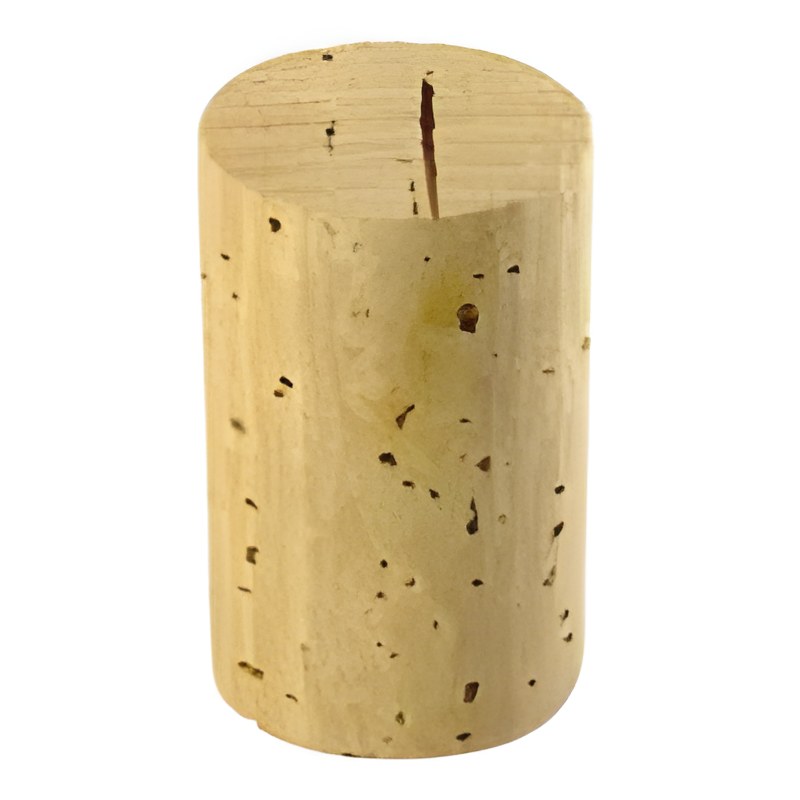
- colmated cork: made of natural cork consisting of two or more pieces joined with food-grade adhesive;
- mushroom corks composed of a body of ground and pressed cork and a section made up of one or two cork discs glued to the body. These are stoppers used for sparkling wines. In their initial state the stopper is cylindrical in shape, but once in the neck of the bottle the inner part compresses and the outer part expands;
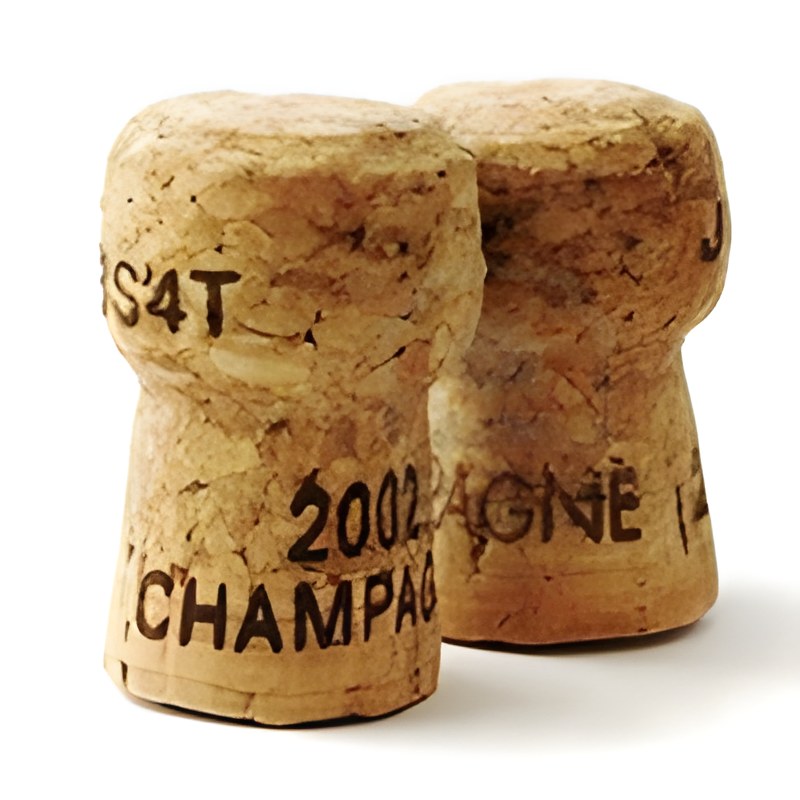
- flush corks with an agglomerated or technical cork mouth: composed of a cork paste derived from the processing of cork;
- encapsulated T-cork: with a cork body and a wooden or other material top, used mainly for liqueurs and fortified wines;
Among non-cork stoppers there are:
- synthetic stoppers;
- glass stoppers
- screw caps
- crown caps
Synthetic stoppers help reduce costs and, thanks to technological improvements, have reached excellent quality standards. The materials used to produce this type of closure vary widely (SEBS, EVA, etc.).

Glass T-stoppers can be easily opened by hand without a corkscrew.
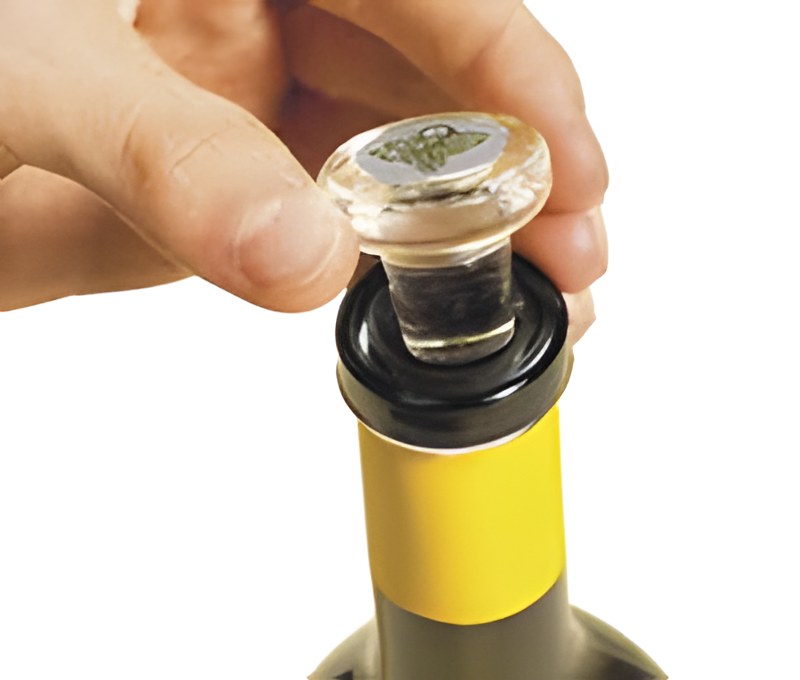
Screw caps appear as threaded and coated aluminum cylinders – they are perhaps the least "romantic" and their use is often associated with poor wine quality. This tendency is obviously a consumer bias (who, as Endris also argued, would certainly not appreciate a similar wine in a restaurant!), but this type of stopper is probably technically the best for preserving the contents of the bottle.
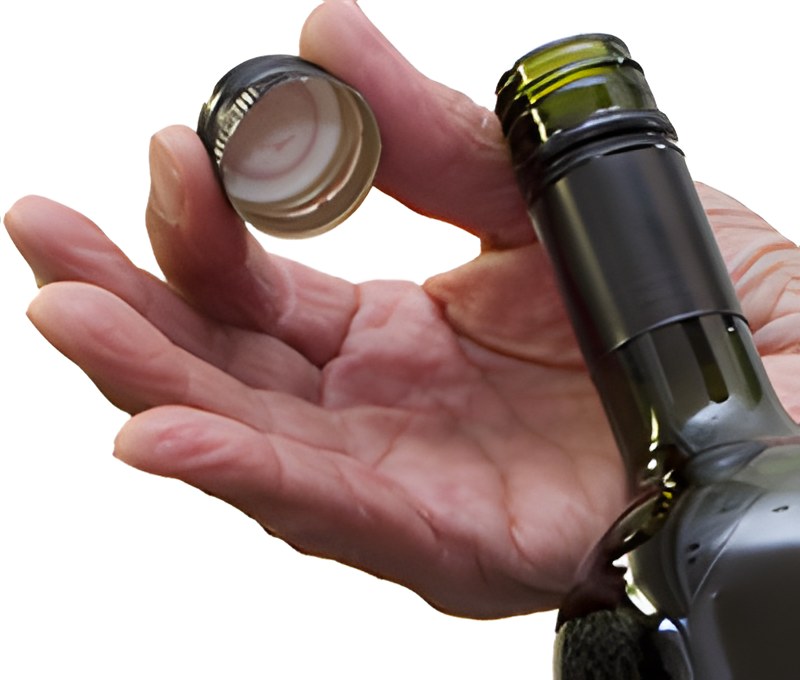
Crown caps are used only where the bottle mouth allows it; they are made of aluminum with the lower part lined with a plastic gasket; they are used for table wines and for "secondary fermentation." Recently there has been an increase in their use by producers of organic and biodynamic wines for environmental reasons.

We leave you with two final tips: never judge a wine by letting yourself be influenced by prejudices about the type of stopper, and remember that a good way to combat "cork taint" is to store bottles so that the wine always wets the cork, preventing mold from developing (one of the pitfalls of storing wine in large retail chains).


What do you think?
Log in to leave a comment